
Cottonwood
Diitiidʔaaʔtx̣: kʷa.?dqapt
Latin: Populus balsamifera
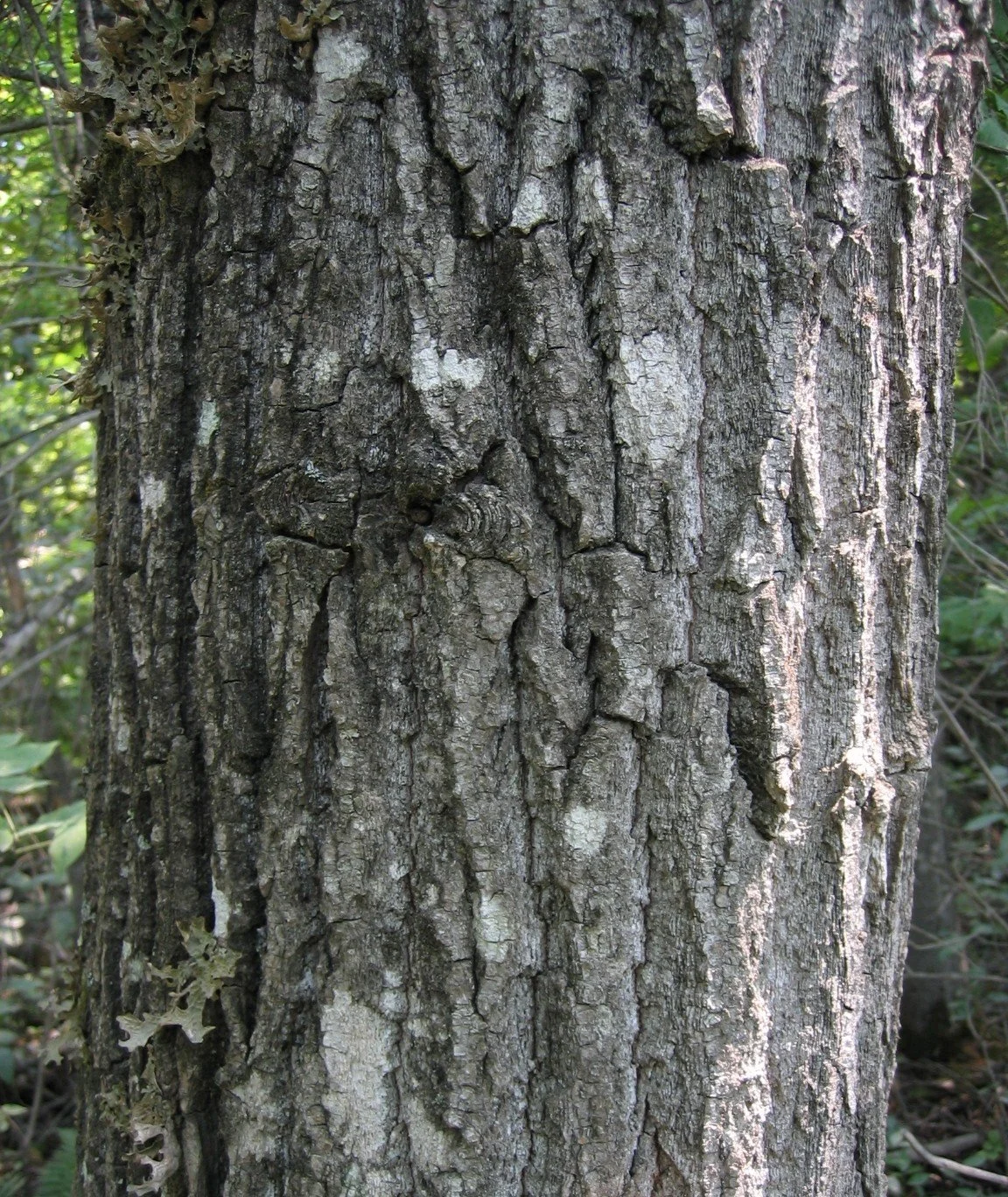
Photo credits: Keith Kanoti
Description: Cottonwood is a large deciduous tree that can reach heights of up to 50 metres. Mature trees have dark grey bark with deep grooves. The leaves are thick, heart-shaped, and alternate along the branches on rounded stems. Their edges are finely serrated, and the undersides are pale. Cottonwood produces hairy green seed pods that contain fluffy seeds. Their buds are very sticky with fragrant resin.
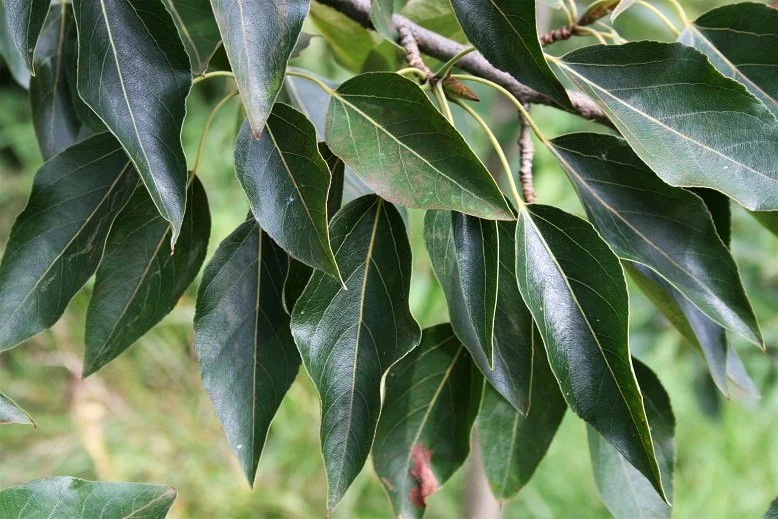
Harvest and Sustainability: Cottonwoods are found around wetlands. They are an important food source and building material for beavers.
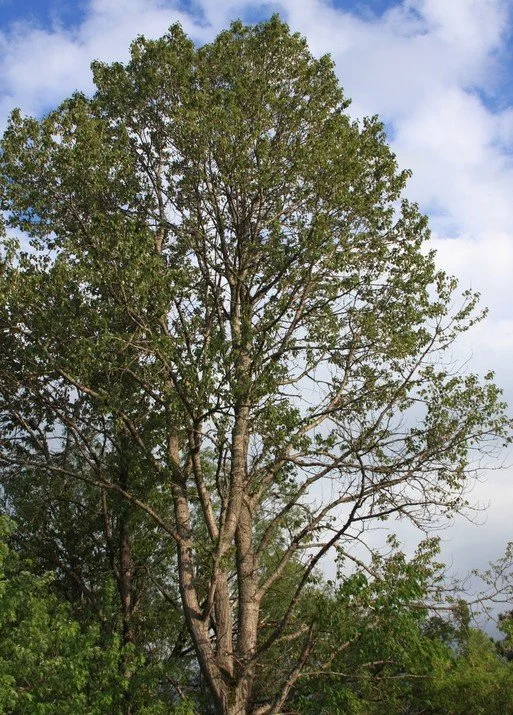
Photo Credits: Steven Katovich
Uses: In spring, the fresh inner bark can be eaten like a vegetable. It can also be used to produce a purple dye. Stripped bark is useful for making containers such as buckets. The resin from buds serves as both a disinfectant and a waterproofing agent. Oil extracted from buds and leaves can be made into a salve for treating various skin conditions. Leaves can be applied as a poultice to help heal cuts, while bark infusions are used to soothe sore throats. The seed hairs can be combined with other fibers to create string or twine, and the fluffy seed material can be used as pillow stuffing.
