
Hul’q’umi’num: se’uq
SENĆOŦEN: LOḴLEḴÍ
Diitiidʔaaʔtx̣: ʔicipt
Latin: Athyruim filix-femina
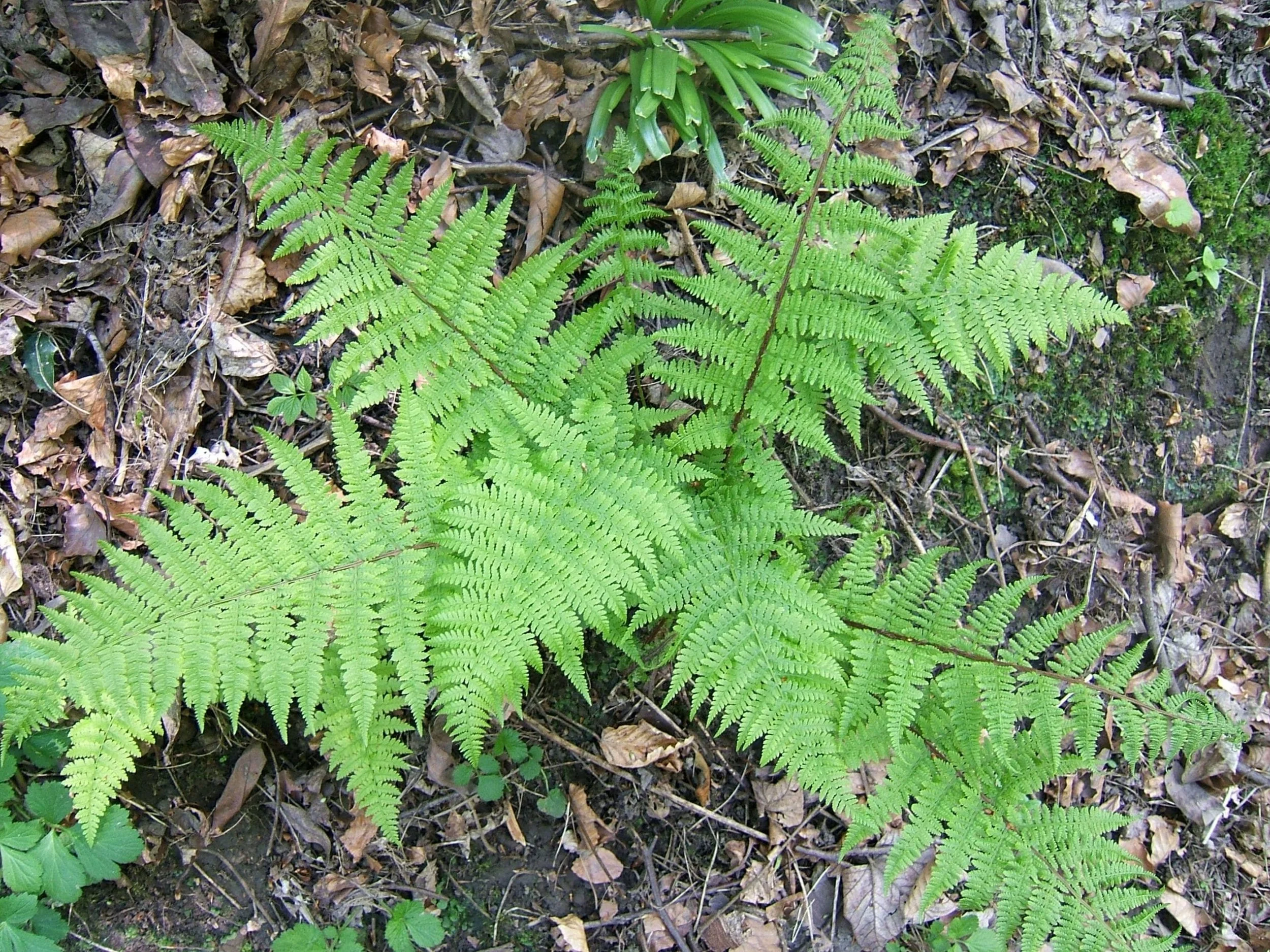
Photo Credits: JardineriaOn
Description: ʔicipt has clustered fronds, up to 2 m tall, that are erect to spreading. They grow from stout, ascending to erect rhizomes covered with scales and old leaf-stalk bases. The stalks are short, fragile and scaly at the base, and shorter than the blades. The blades are narrowly to broadly lance-shaped, tapering at both ends to give a diamond-like outline, and are 2–3 times pinnate. There are 20–40 pairs of leaflets, becoming progressively smaller toward the top and bottom of the blade, and the ultimate segments are toothed or lobed. The spores (sori) are elongated and curved, ranging from oblong to horseshoe-shaped.
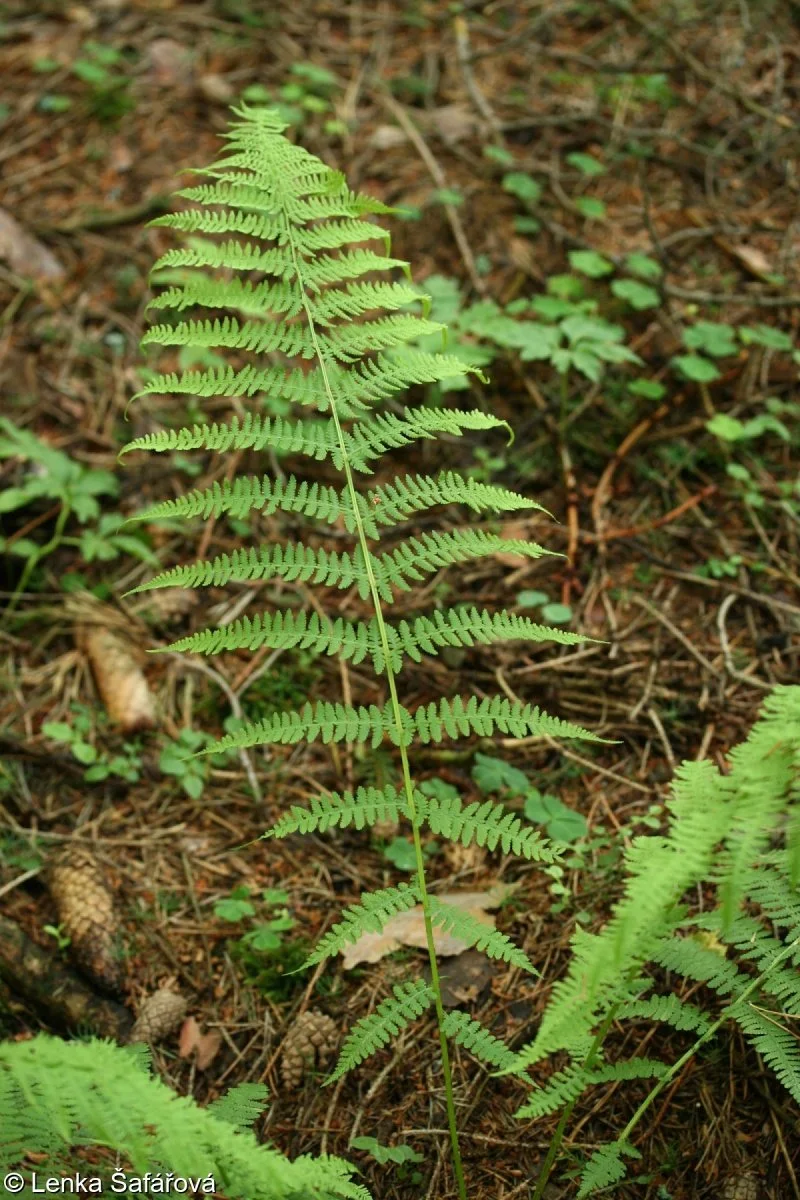
Harvest and Sustainability: It grows in moist to wet forests, swamps, thickets and gullies, along stream banks and slide tracks, and in openings, meadows and clearings.
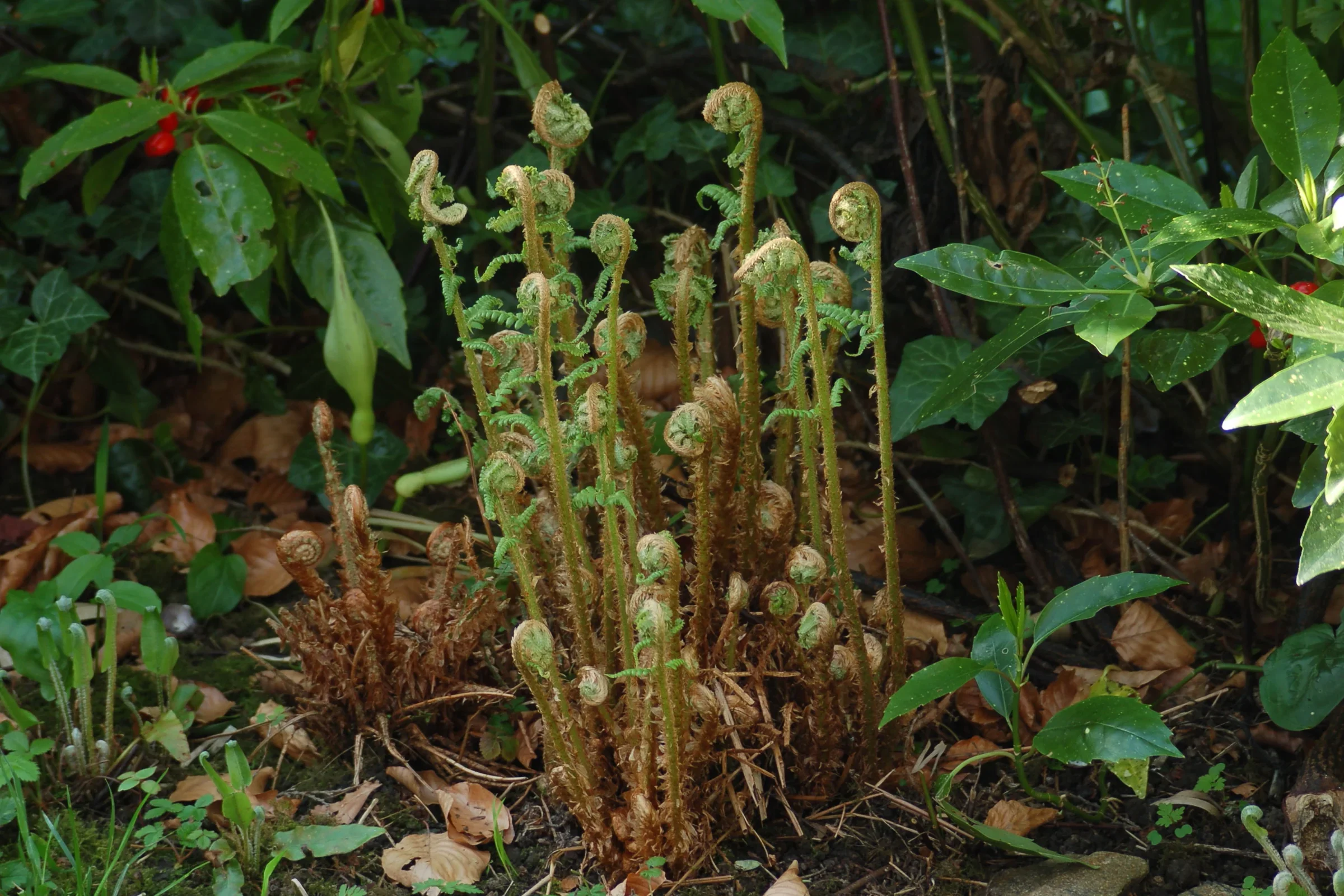
Photo Credits: Ballyrobert Gardens.
Uses: The fronds were used to lay out or cover food, especially berries set out to dry.
The fiddleheads were eaten in early spring once they reached 7–15 cm tall, either boiled, baked or eaten raw with grease.
