
Kinnikinnick
Diitiidʔaatx̣: bu.bukʷqʎapt
Latin: Arctostaphylos uva-ursi
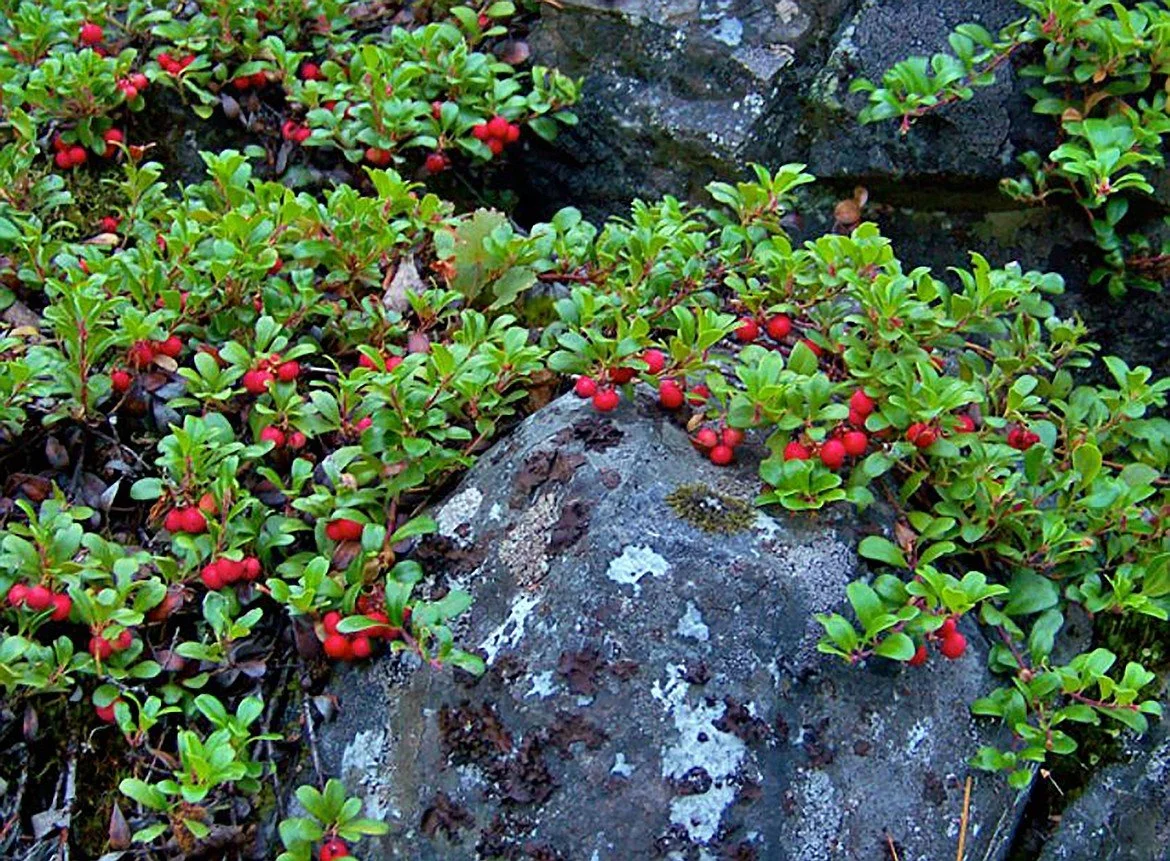
Description: Kinnikinnick is a low-growing, creeping groundcover with woody, reddish-brown stems. Its evergreen leaves are leathery, dark green, and glossy. In spring, delicate white to pink, lantern-shaped flowers appear, later maturing into small, waxy scarlet berries. These berries gradually deepen in colour from summer through winter.
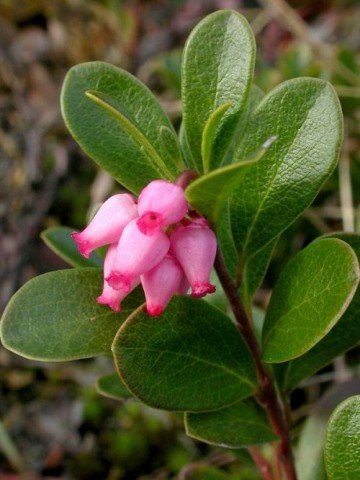
Photo credits: Ben Legler
Harvest and Sustainability: Kinnikinnick can be found along sandy and rocky shorelines as well as exposed mountain slopes. Its leaves can be gathered year-round, and harvesters often cut small sections of the stem to take home to hang and dry out the leaves. The berries are best harvested in spring and summer, when they are at their peak quality.
The berries are popular among wildlife, especially birds. This plant is popular for landscaping as a beautiful native ground cover for barren grounds.
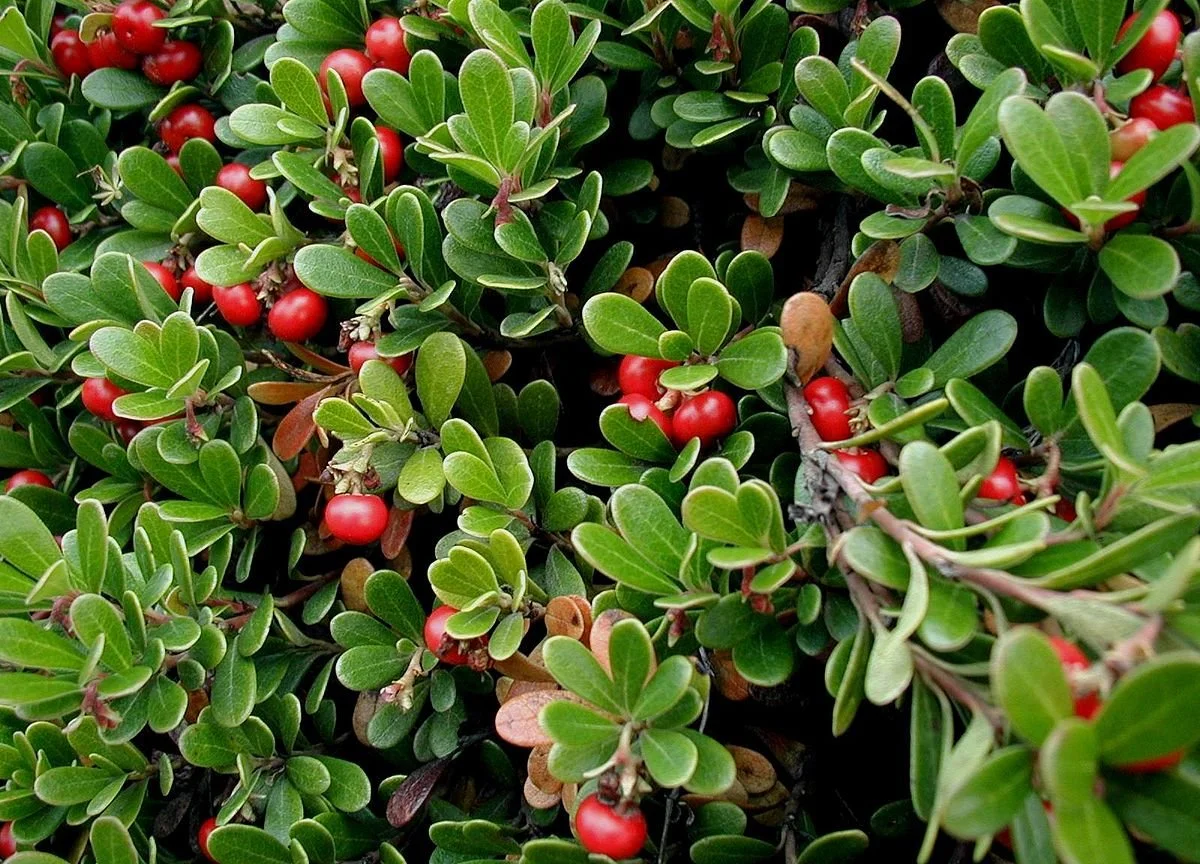
Photo credits: Sten Porse
Uses: The leaves of kinnikinnick can be brewed into a mild tea, and those harvested in summer are sometimes used as a traditional tobacco substitute.
The berries are edible raw, though most people prefer them cooked for improved flavour and texture. They can also be dried and added to teas. When harvested in the fall, dried berries can be ground into a caffeine-free coffee substitute. Keep in mind that the seeds are large and hard, requiring extra preparation before using the berries in recipes.
