
Red Alder
Hul’q’umi’num: kwulala’ulhp
Diitiidʔaaʔtx̣: ʎastpapt
Latin: Alnus rubra
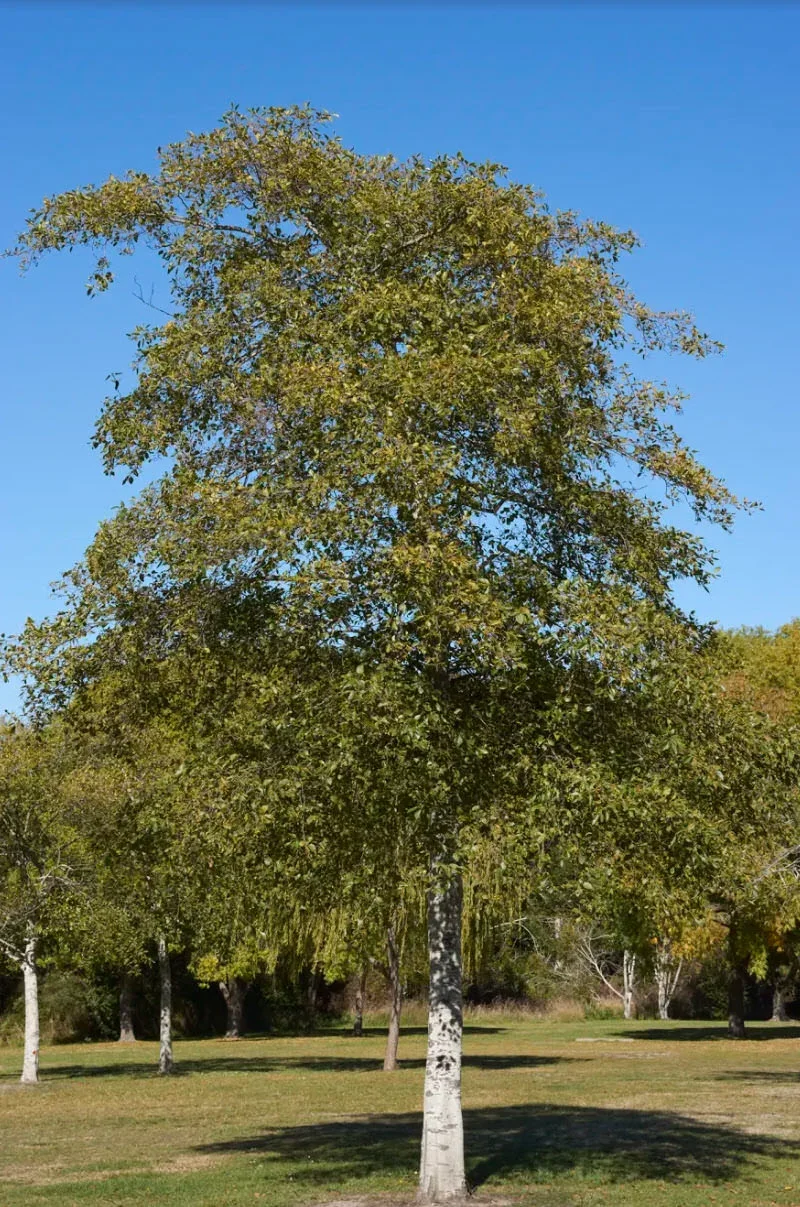
Photo Credits: LeafLand
Description: A deciduous tree that grows up to 30 metres tall. The bark is mottled gray and smooth. Dark green leaves (7–15 cm) have blunt, serrated edges and veins that come to a point. Male catkins appear in the spring and are 5–12 cm long. Female catkins grow to 2 cm.
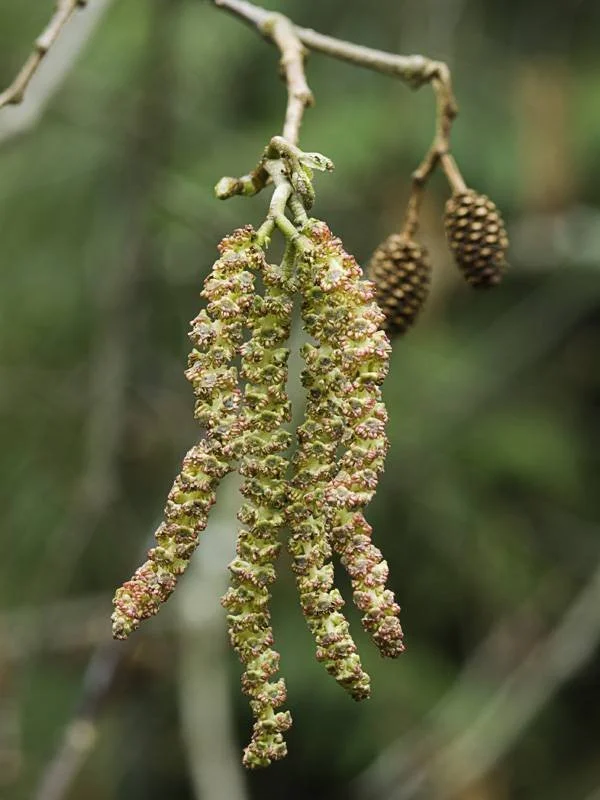
Photo Credits: Al Dodson
Harvest and Sustainability: this tree is found in cleared areas and in poor, wet soils. Depending on the uses, it can be harvested all year-round.
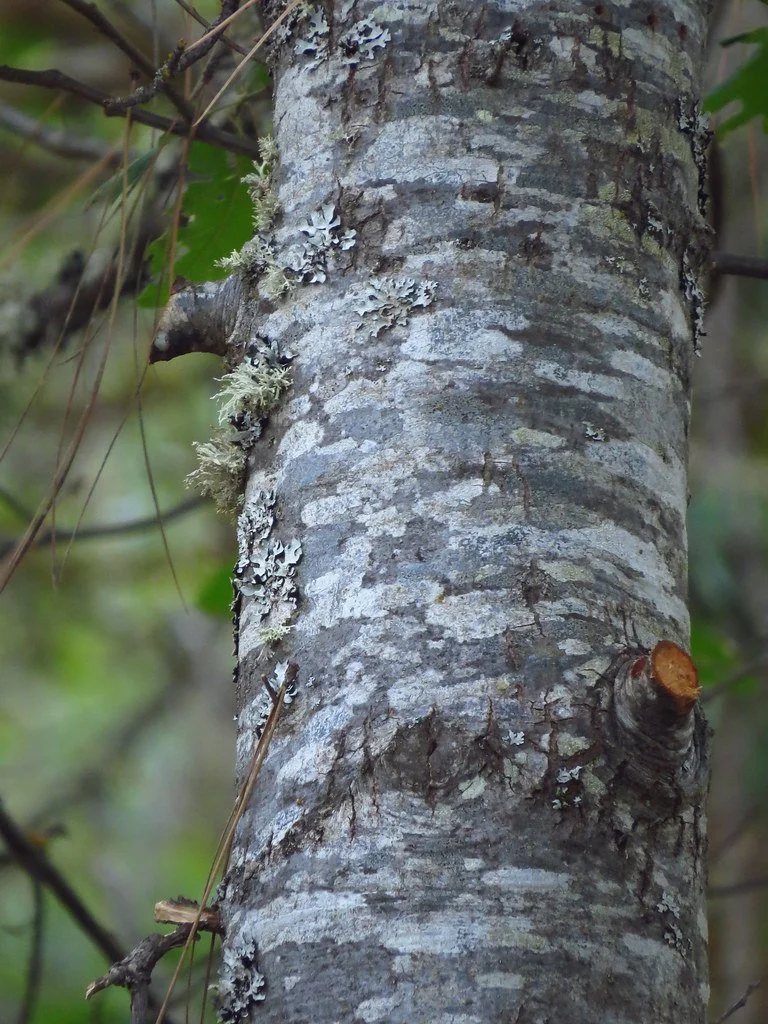
Photo Credits: Cynthia Cheney
Uses: Branches are harvested in spring and summer to line pit cooks as a replacement for salal, protecting food from direct heat and soil.
Mature trees provide wood year-round, though harvesting in the spring—when sap is actively running—imparts a distinctively sweeter flavour to smoked fish.
Medicinally, the inner bark is consumed as a tonic and blood purifier, while a bark infusion serves as a soothing skin wash for sores. Bark tea acts as a natural antibiotic, and a potent tea combining the bark of red alder, pacific crabapple, grand fir, and devil’s club is traditionally used to treat symptoms of tuberculosis.
